
By Philani Mdingi – Executive Director, Tech for Good
The desire to change the world for the better is a profound responsibility. To pursue this change in environments defined by resistance, inequality, and shrinking civic space is an even greater one. Yet it is a responsibility we cannot abandon. No one is coming to save us, and that truth becomes clearer every year.
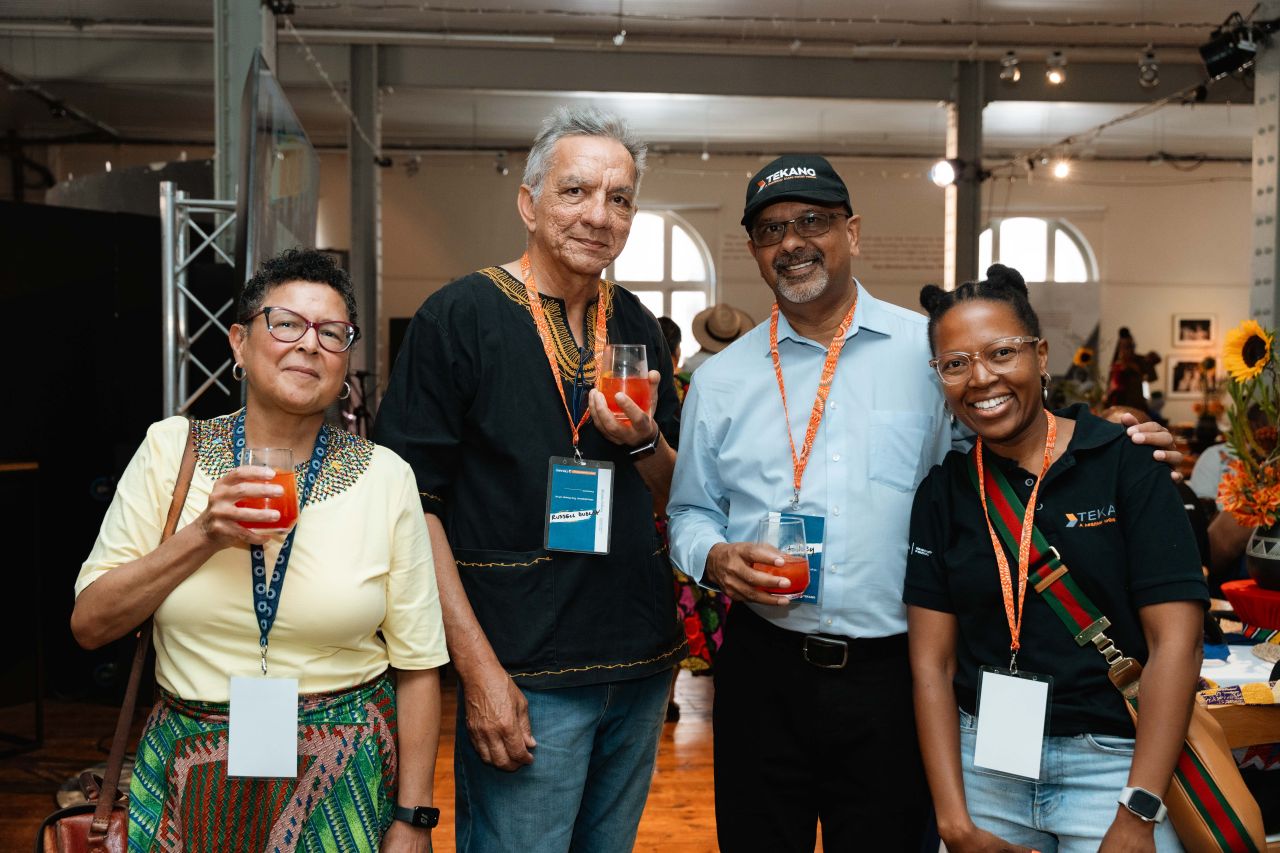
On 26 November, I had the privilege of attending Tekano’s annual uMzabalazo gathering, a celebration of collective struggle, learning, and the pursuit of health equity in South Africa. Tekano, an organisation dedicated to nurturing leaders who advance health equity and justice, brought together fellows, alumni, partners, activists, and friends under this year’s theme, “The Power of Us.”
I attended in my capacity as Executive Director of Tech for Good, a technology consultancy that works at the intersection of digital transformation, social justice, and organisational strengthening. uMzabalazo was an opportunity not only to celebrate the graduation of the sixth cohort of Tekano Fellows, but also to reflect on the wider ecosystem of equity work; the movements, communities, institutions, and individuals striving for fair, just, and dignified societies.
We are it. No one is coming to …
As I listened to a panel discussing public accounts, trust, accountability, and the promise of justice, I found myself quietly reflecting on the role that technology; and those of us who build, advise on, or implement it; plays in this landscape. It is easy, when working on system integrations, workflow automation, data platforms, or digital transformation strategies, to focus solely on the technical; that is, the architecture, the codebase, the deadlines, the change-management plans. Too easy, in fact, to forget who all of this is ultimately for.
uMzabalazo was a grounding reminder, that technology is not the work, people are. Technology is only as meaningful as the lives it supports, the systems it strengthens, and the justice it enables.
In many ways, I realised that our work at Tech for Good is about taking the aspirations, frustrations, ambitions, and dreams of an ecosystem fighting for equity; and embedding those into the systems we design and the code we write. It is about building tools that support activists, organisers, researchers, health workers, advocates, and communities. It is about ensuring that the digital infrastructure of the social sector aligns with its moral infrastructure.
Sitting in that room, I felt the weight of that responsibility more than ever. Globally, gains toward justice and equity are being reversed. Xenophobia is rising. Rights are being rolled back. Democratic spaces are contracting. Movements are under pressure. And in this context, the board chair of Tekano closed the gathering with a line that has stayed with me since: “We are it. No one is coming to save us.”
It echoed the timeless sentiment that we are the ones we’ve been waiting for, and it captured the moment with painful truth.
At Tech for Good, this is the spirit with which we look toward 2026. This statement, we are it, is both anchoring and mobilising. It affirms our promise as a technology partner to the sector, and it will guide our work as we support civil society with systems, strategies, platforms, and code designed not just to solve problems, but to advance justice.
If nothing else, uMzabalazo reminded me of this; the tools we build must expand possibility, not narrow it. They must strengthen the work of those imagining a more equitable society, and they must reflect the dignity of the people whose futures they touch. Because in the end, the work continues, and we are it.
Philani Mdingi is Executive Director of Tech for Good, a consultancy supporting African civil society and development organisations in building secure, ethical, and inclusive digital ecosystems.
www.techforgood.co.za


